
Lucknow, the cultural capital of Uttar Pradesh, has been officially added to UNESCO’s prestigious Creative Cities Network under the field of Gastronomy. This milestone was announced during the 43rd UNESCO General Conference held in Samarkand, Uzbekistan. With this recognition, Lucknow becomes only the second Indian city, after Hyderabad, to be honoured for its gastronomic brilliance.
The journey to this achievement began when the Uttar Pradesh Directorate of Tourism submitted its nomination on January 31, 2025. The proposal received approval from the Government of India on March 3, 2025, and UNESCO made the official declaration on October 31, 2025. This global honour recognises Lucknow’s royal culinary history, vibrant street food culture, and continued efforts to preserve traditional cooking practices.
A Culinary Legacy Rooted in History:–
Lucknow’s gastronomic heritage is deeply connected with the Nawabs of Awadh, who were connoisseurs of fine dining and luxurious hospitality. From their royal kitchens emerged the famous Awadhi cuisine, known for its subtle flavours, slow-cooking techniques, aromatic spices, and artistic presentation.
Signature dishes that define Lucknow’s food culture include:
Galouti Kebabs – Legendary minced meat kebabs created for a Nawab who loved food but could no longer chew.
Awadhi Biryani – Cooked with fragrant rice and tender meat using the traditional dum pukht method.
Sheermal and Roomali Roti – Soft, delicate breads that perfectly accompany spicy curries and kebabs.
Nihari, Korma, and Paya – Rich, slow-cooked stews that capture the soul of traditional Awadhi cuisine.
Makhan Malai, Kulfi, and Rabri – Royal desserts that reflect Lucknow’s sweet culinary craftsmanship.
Beyond royal dishes, the city’s charm lies in its bustling food streets—Chowk, Aminabad, Hazratganj, and Kaiserbagh—where spicy chaat, crispy samosas, flavorful paan, and creamy kulfi tell stories of generations.
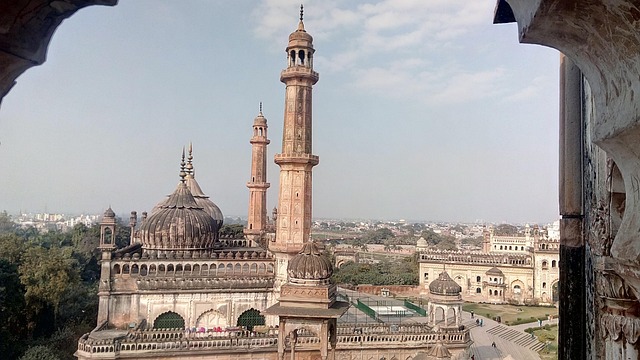
Why UNESCO Chose Lucknow:–
The UNESCO Creative Cities Network (UCCN) acknowledges cities that promote creativity as a pillar of sustainable development. Lucknow’s inclusion is based on:
Timeless Culinary Traditions: From palace kitchens to humble stalls, Lucknow’s flavors have been preserved and passed down for centuries.
Unique Cooking Techniques: The city is renowned for dum cooking, slow roasting, and the use of traditional tools like lagan, tandoor, and sigri.
Master Chefs and Culinary Artisans: Lucknow is home to skilled rakabdars and bawarchis, who guard recipes that are hundreds of years old.
Food as an Expression of Culture: In Lucknow, food is associated with etiquette, poetry, hospitality, and celebration.
Inclusive Culinary Ecosystem: From local sweet shops to major restaurants, the food industry provides employment to thousands.
Impact on Tourism and Local Economy:–
This global recognition is expected to transform Lucknow into a major culinary tourism hub. Travelers from India and abroad will be drawn to explore its food heritage, dine at historic eateries, attend cooking workshops, and experience curated food walks and Nawabi dining events.
Key benefits include:
Support for Small Vendors and Artisans: Street food vendors, home-based cooks, and traditional sweet-makers will receive more visibility and government support.
Promotion of Local Ingredients: The initiative encourages use of local produce, traditional spices, and farm-to-table practices.
Skill Development for Youth: Plans are underway to set up culinary academies, scholarships, and cultural exchange programs with other UNESCO gastronomy cities.
Embracing Sustainability Through Food:-
UNESCO’s recognition also emphasizes the importance of sustainable culinary practices. As part of this initiative, Lucknow aims to promote:
Food Waste Management: Encouraging eateries and hotels to distribute surplus food to charities and community kitchens.
Eco-Friendly Packaging: Replacing plastic with biodegradable or reusable materials, especially in street food markets.
Preservation of Indigenous Crops and Spices: Supporting farmers who grow traditional varieties of rice, wheat, saffron, and local pulses.
Innovative Vegetarian Alternatives: Creating plant-based versions of traditional dishes to meet global trends without compromising authenticity.
Beyond Taste: Food as Culture and Identity:–
In Lucknow, food is more than nourishment—it is an expression of tehzeeb (courtesy), love, and artistic sophistication. Meals are often served with poetic conversation, classical music, and heartfelt hospitality. Cultural gatherings like mehfil and festivals such as Eid, Diwali, and Muharram showcase the deep emotional bond between traditions and food.
The famous phrase “Pehle aap” (you first) reflects the city’s graceful manners, which extend even to how food is offered and shared.
Future Vision: Tradition Meets Innovation:–
Joining the UNESCO Creative Cities Network opens the door to collaboration with other culinary capitals like Chengdu (China), Parma (Italy), and Phuket (Thailand). Lucknow plans to:
Host international food festivals and chef exchange programs.
Digitally archive age-old recipes and cooking manuscripts.
Launch culinary museums and heritage food tours.
Encourage fusion cuisine while safeguarding traditional recipes.
This recognition is not a final achievement but the beginning of a journey that combines heritage, innovation, and sustainability.
SUMMARY:-
UNESCO’s declaration of Lucknow as a Creative City of Gastronomy is a tribute to centuries-old recipes, dedicated artisans, and an unbroken culinary tradition that continues to thrive. From the grandeur of Nawabi feasts to the charm of street-side snacks, Lucknow’s cuisine tells a timeless tale of passion, patience, and pride.
As the world turns its eyes towards this city of flavors, Lucknow stands ready to welcome visitors with its signature warmth, aromatic spices, and unmatched hospitality. It is not just a city that cooks food—it is a city that creates memories, serves culture, and celebrates life—one dish at a time.